When most people think of 'green lighting,' they immediately think of swapping out old bulbs for LEDs. While that's a great start, true sustainable lighting design—especially for projects aiming for rigorous LEED (Leadership in Energy and Environmental Design) certification—requires a much more sophisticated approach.
It’s no longer just about using less watts; it’s about using light intelligently, precisely when and where it's needed, and ensuring that the light you do use is comfortable for the people inside.
Mastering Lighting Power Density (LPD)
One of the core metrics in green building codes is LPD, which measures the total wattage of lighting used per square foot. To meet aggressive LEED targets, designers must carefully select ultra-efficient fixtures with highly engineered optics. Better optics mean the light is pushed exactly where it needs to go, rather than spilling uselessly onto upper walls, allowing designers to achieve required lux levels using far fewer fixtures.
The Role of Automated Controls
You can't achieve top-tier energy ratings without a smart control backbone. LEED projects heavily rely on a combination of two technologies:
1. Occupancy and Vacancy Sensors: Ensuring lights are never left burning in empty conference rooms or corridors.
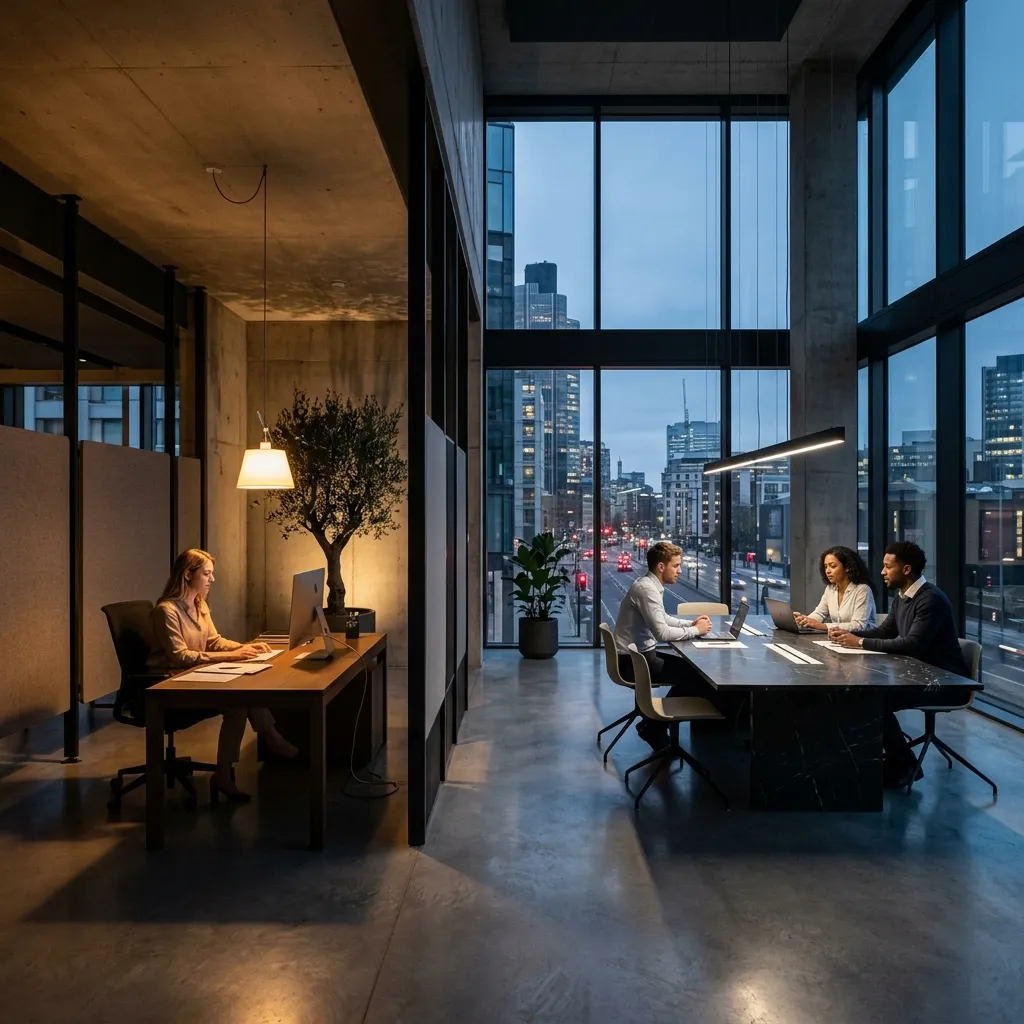
2. Daylight Harvesting: Photocells placed near windows measure the amount of natural sunlight entering the room. As the sun gets brighter, the artificial lights closest to the windows automatically dim down, saving massive amounts of energy while maintaining a perfectly even light level across the space.